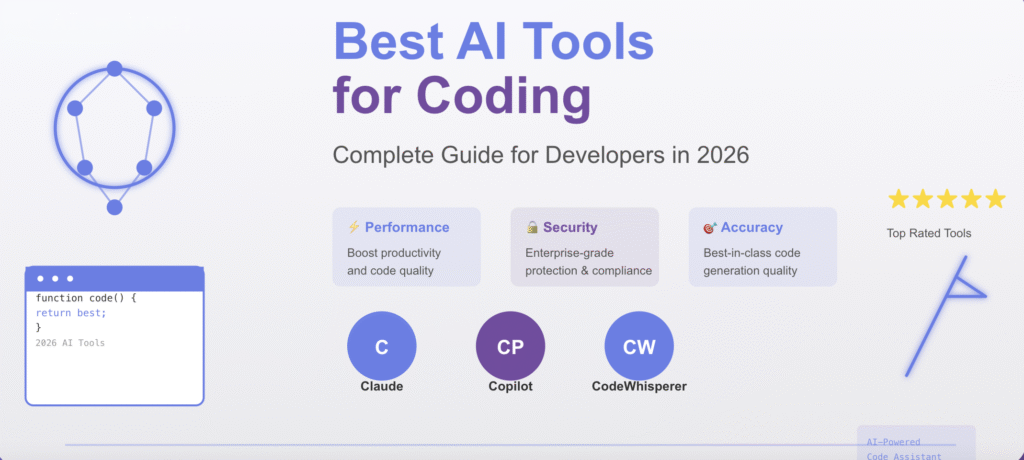
As we venture deeper into 2026, artificial intelligence has become an indispensable tool for developers worldwide. The landscape of AI coding assistants has evolved dramatically, offering unprecedented capabilities that can boost productivity, reduce errors, and accelerate development cycles. But with so many options available, how do you choose the best AI tool for your coding needs? This comprehensive guide explores the leading AI coding tools and helps you make an informed decision.
The Evolution of AI Coding Tools
The journey of AI in software development has been remarkable. From simple code completion tools to sophisticated systems capable of understanding complex architectural patterns, AI coding assistants have transformed how developers work. In 2026, these tools have matured significantly, offering not just code suggestions but intelligent refactoring, bug detection, and full-function generation capabilities. The best tools now leverage advanced language models trained on millions of codebases, enabling them to provide context-aware suggestions that feel like working with an experienced colleague.
Top Contenders in 2026
1.Claude with Code Integration
Claude has emerged as a formidable player in the AI coding space. With its deep reasoning capabilities and nuanced understanding of programming concepts, Claude excels at generating well-documented, production-ready code. What sets Claude apart is its ability to engage in detailed discussions about architectural decisions and provide comprehensive explanations for its suggestions. Developers appreciate the flexibility of integration through Claude Code, a command-line tool that allows direct delegation of coding tasks from the terminal, making it seamless for those who prefer command-line workflows.
The tool’s strength lies in its context awareness, understanding not just syntax but the intent behind code. It can handle multi-file projects, suggest improvements to existing code, and even help debug complex issues by reasoning through them step by step.
2.GitHub Copilot Advanced
GitHub Copilot remains a dominant force in the market. By 2026, it has evolved into a more powerful system with improved accuracy and faster response times. Its deep integration with the entire GitHub ecosystem, including version control, issue tracking, and project management, makes it an attractive choice for teams already invested in the platform. The tool’s ability to learn from your codebase and adapt to your coding style is particularly valuable for long-term projects.
What makes Copilot compelling is its seamless IDE integration and its ability to understand pull request contexts, enabling it to suggest code that aligns with your team’s established patterns and standards.
3.Amazon CodeWhisperer
Amazon’s CodeWhisperer has matured significantly and now offers enterprise-grade security scanning and compliance features. It’s particularly strong for developers working within the AWS ecosystem, providing specialized suggestions for cloud-native applications. The tool’s focus on security and its ability to detect potential vulnerabilities before deployment make it an excellent choice for security-conscious organizations.
Key Features to Consider
Code Quality and Accuracy
The best AI coding tools in 2026 prioritize code quality above all. They generate code that not only works but follows best practices, uses appropriate design patterns, and maintains consistency with your existing codebase. The tools that lead the market have invested heavily in training data quality and have implemented rigorous testing protocols to ensure accuracy.
Language Support
Different projects require different languages. Top-tier AI coding tools support a comprehensive range of programming languages, from JavaScript and Python to Go, Rust, and specialized languages like Kotlin. The breadth of language support often indicates the maturity and investment level of the tool.
Integration and Workflow
Seamless integration with your existing development environment is crucial. Whether you’re using VS Code, JetBrains IDEs, or terminal-based editors like Vim, the best tools provide smooth integration without disrupting your workflow. Look for tools that understand your development environment and can adapt accordingly.
Security and Privacy
In 2026, security considerations are paramount. The best AI coding tools offer options for on-premise deployment, data privacy controls, and transparent data handling policies. If you’re working with sensitive code or proprietary systems, verify that the tool meets your security and compliance requirements.
Learning and Improvement
The top tools continue to learn and improve. They provide feedback mechanisms, allow customization, and evolve based on user interaction. Some tools offer the ability to fine-tune their models on your specific codebase, creating more personalized assistance over time.
Making Your Decision
Choosing the best AI coding tool depends on your specific needs, project requirements, and team preferences. Consider these factors when making your decision:
Your Tech Stack: Some tools excel with specific languages or frameworks. If you’re primarily working with Python and machine learning, for instance, you might prioritize a tool with strong Python support.
Team Size and Collaboration: Larger teams might benefit from tools with superior collaboration features and project-wide understanding, while solo developers might prefer tools offering maximum flexibility.
Budget Constraints: While many tools offer free tiers, enterprise features come at a cost. Evaluate the ROI based on your team’s productivity gains.
Integration Ecosystem: Consider how well the tool integrates with your existing development infrastructure, CI/CD pipelines, and project management systems.
Support and Community: Active communities, comprehensive documentation, and responsive support teams can significantly impact your experience with any tool.
The Future of AI-Assisted Coding
By 2026, it’s clear that AI coding assistants are no longer novelties but essential tools in a developer’s toolkit. The best tools combine impressive technical capabilities with intuitive interfaces and genuine understanding of developer workflows. Rather than replacing developers, these tools amplify their capabilities, handling routine coding tasks, suggesting improvements, and catching potential issues before they become problems.
The trend moving forward suggests that AI coding tools will become increasingly specialized and context-aware. We’re likely to see further development in areas like automated testing generation, performance optimization suggestions, and security vulnerability prevention.
Conclusion
There’s no single “best” AI tool for coding in 2026—the right choice depends on your specific situation. However, the top contenders like Claude, GitHub Copilot Advanced, and Amazon CodeWhisperer each bring unique strengths to the table. The most successful developers in 2026 will be those who leverage these AI tools effectively, viewing them as collaborative partners in the development process rather than replacements for human expertise.
Start by evaluating your needs, take advantage of free trials or limited-tier access, and don’t hesitate to experiment with multiple tools. The investment in finding the right AI coding assistant will pay dividends in productivity, code quality, and developer satisfaction. The future of coding is collaborative between human creativity and artificial intelligence precision—embrace it wisely.